Mobile grazing herd
The mobile grazing service was established in 2018 within the Latvian Fund for Nature project GrassLIFE. It is currently supported by the LFN projects WoodMeadowLIFE and GrassLIFE2. This season, grazing of protected grassland habitats within specially protected nature areas was also carried out by three regional mobile herds operating in Liepāja, north-eastern Latvia and North Latgale. The establishment and operation of these regional units are supported by the GrassLIFE2 project.
What is the mobile grazing herd?
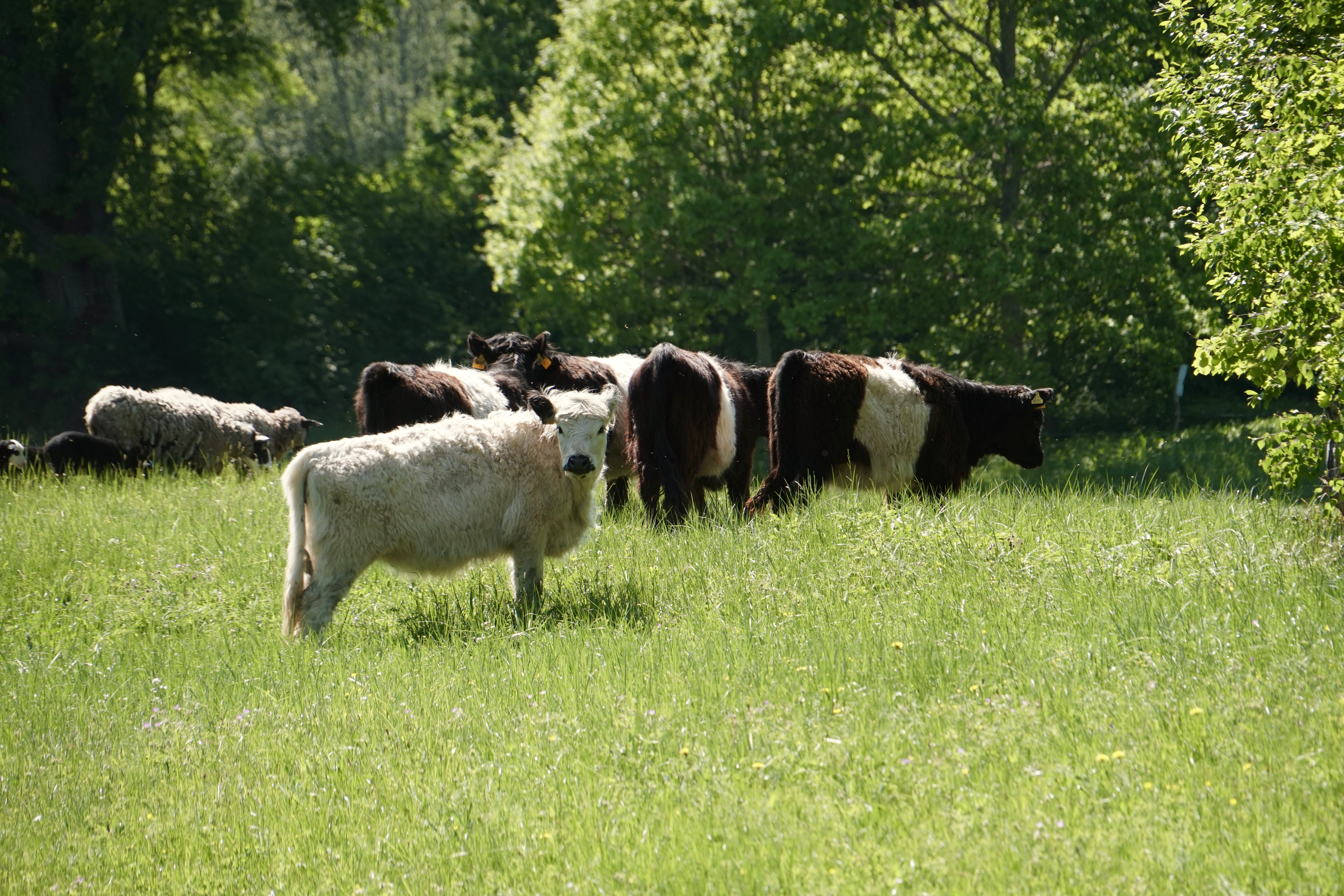
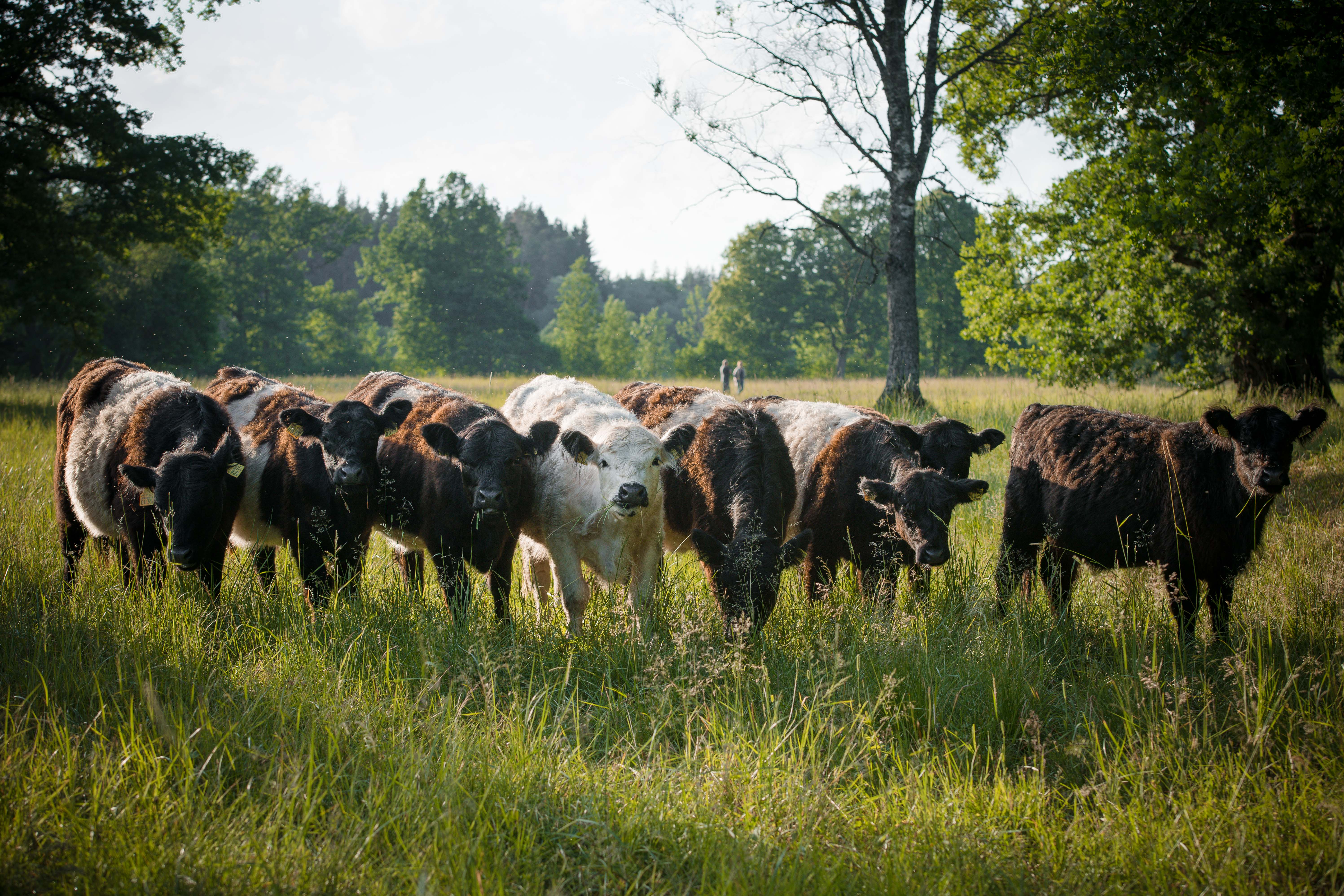
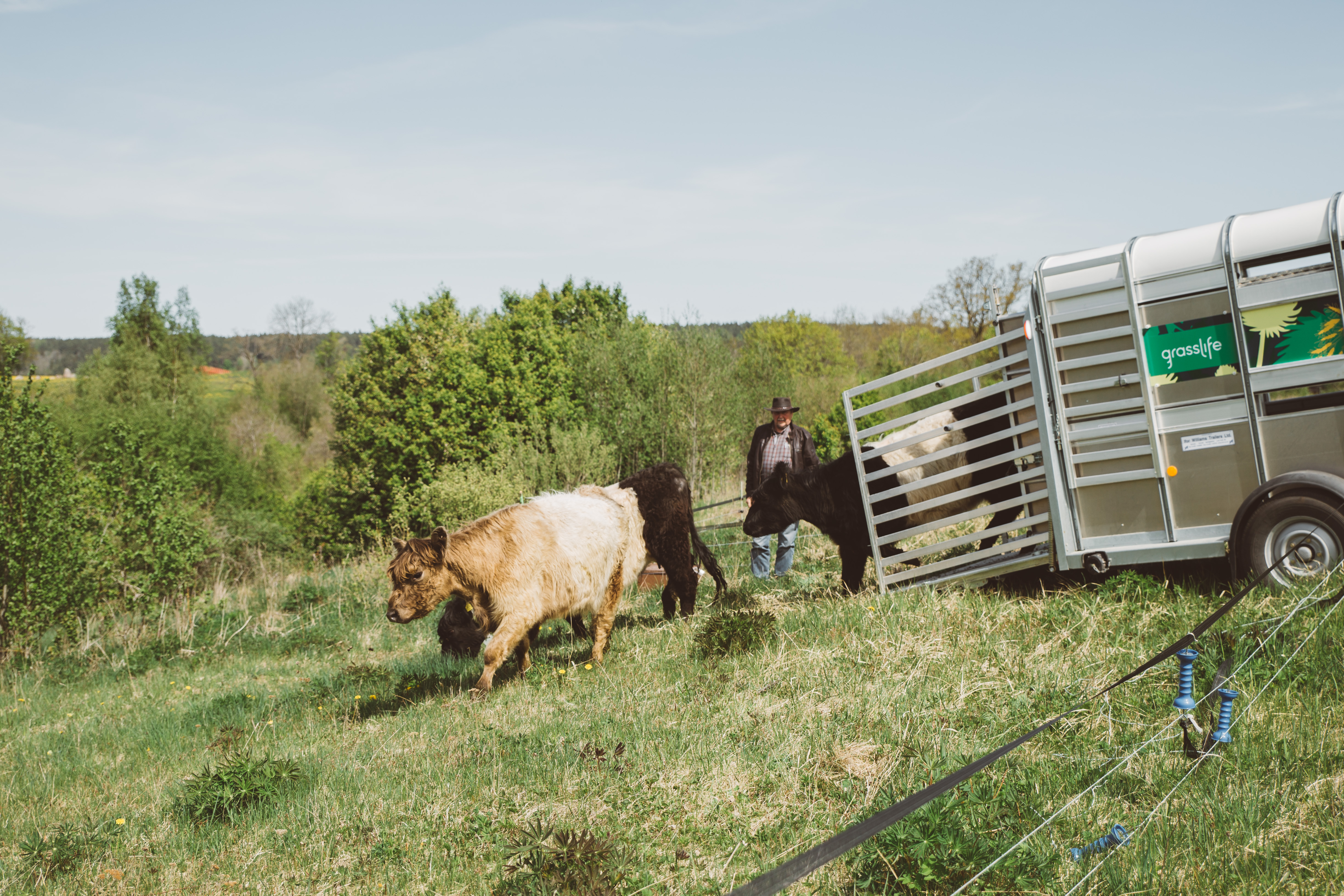
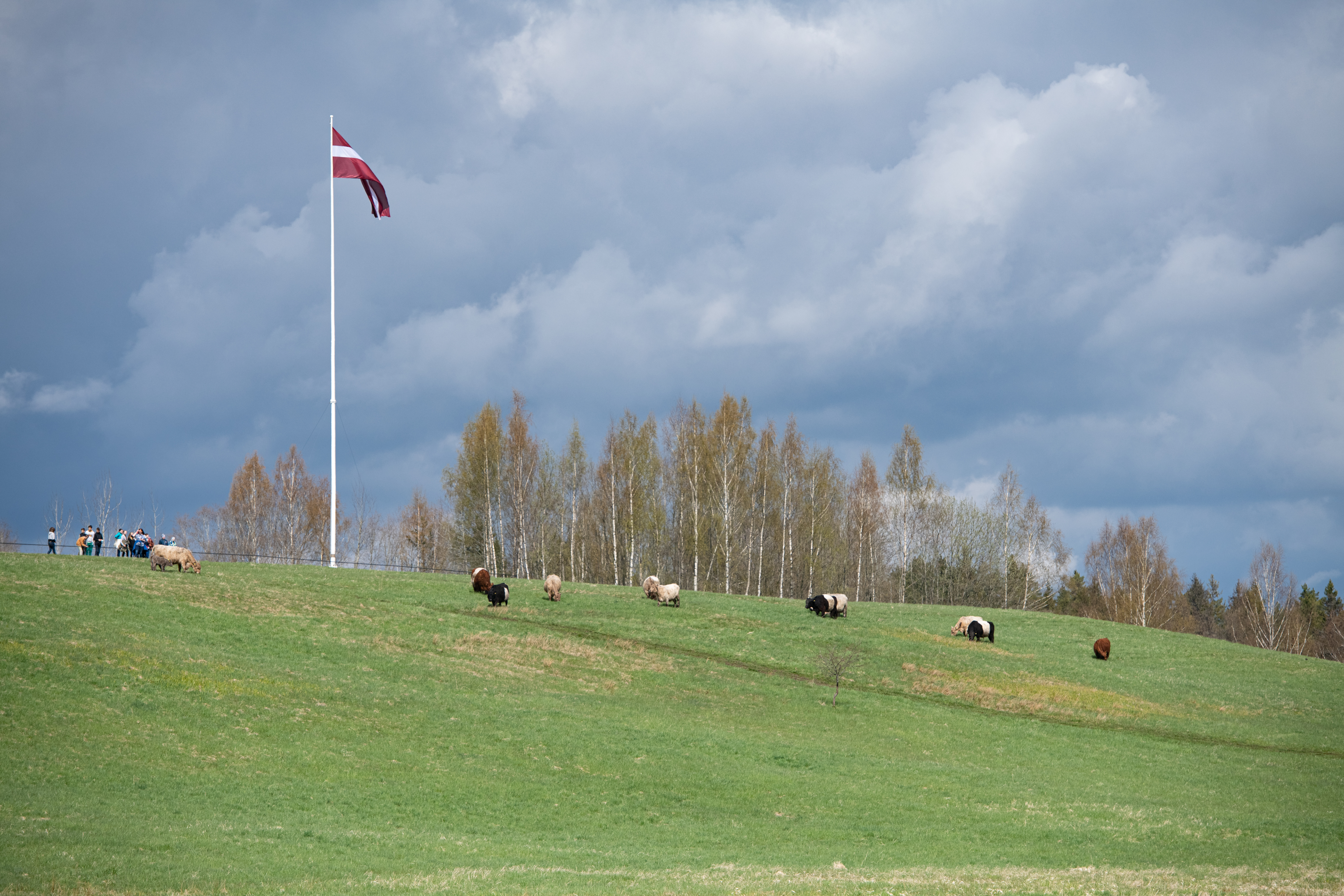
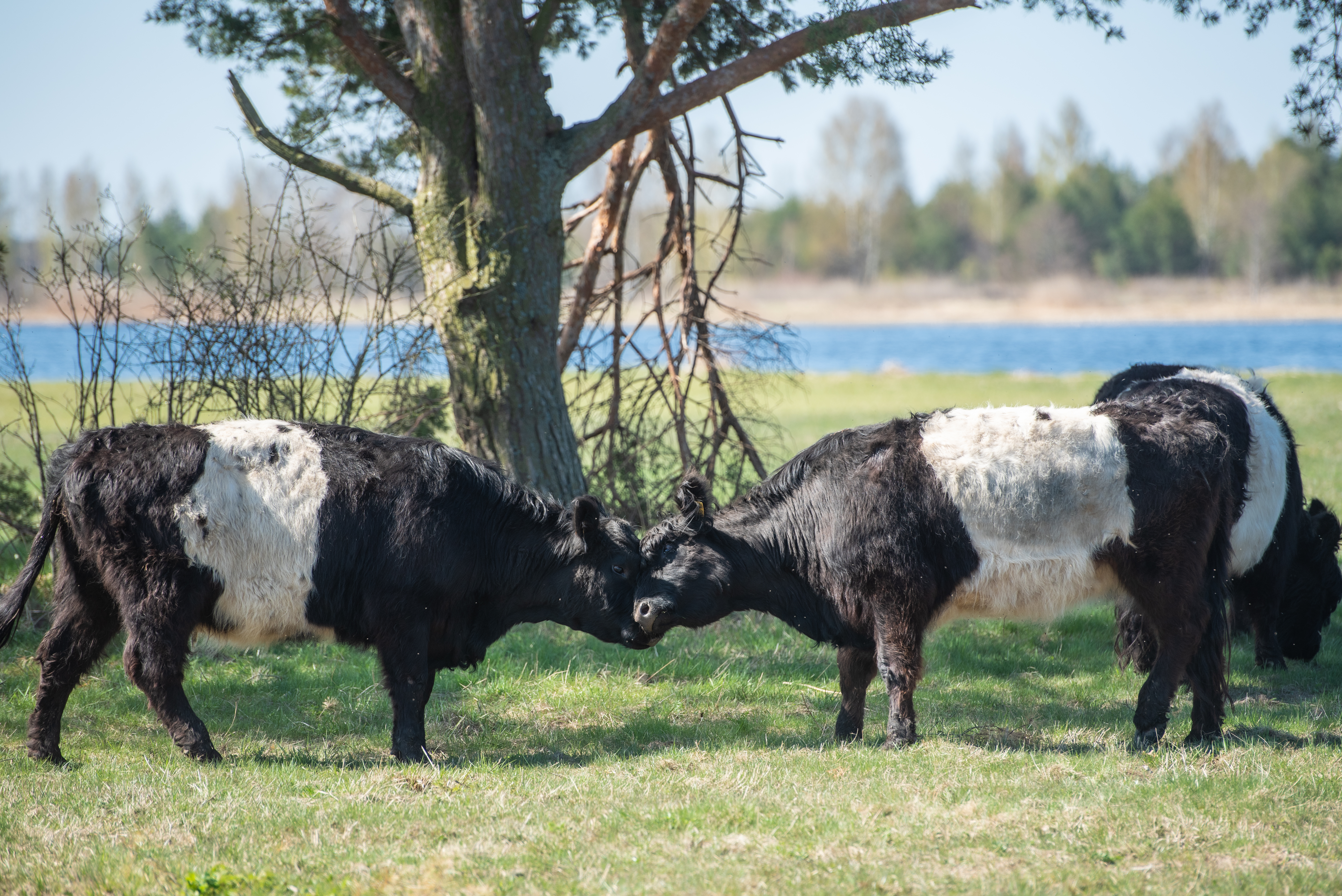
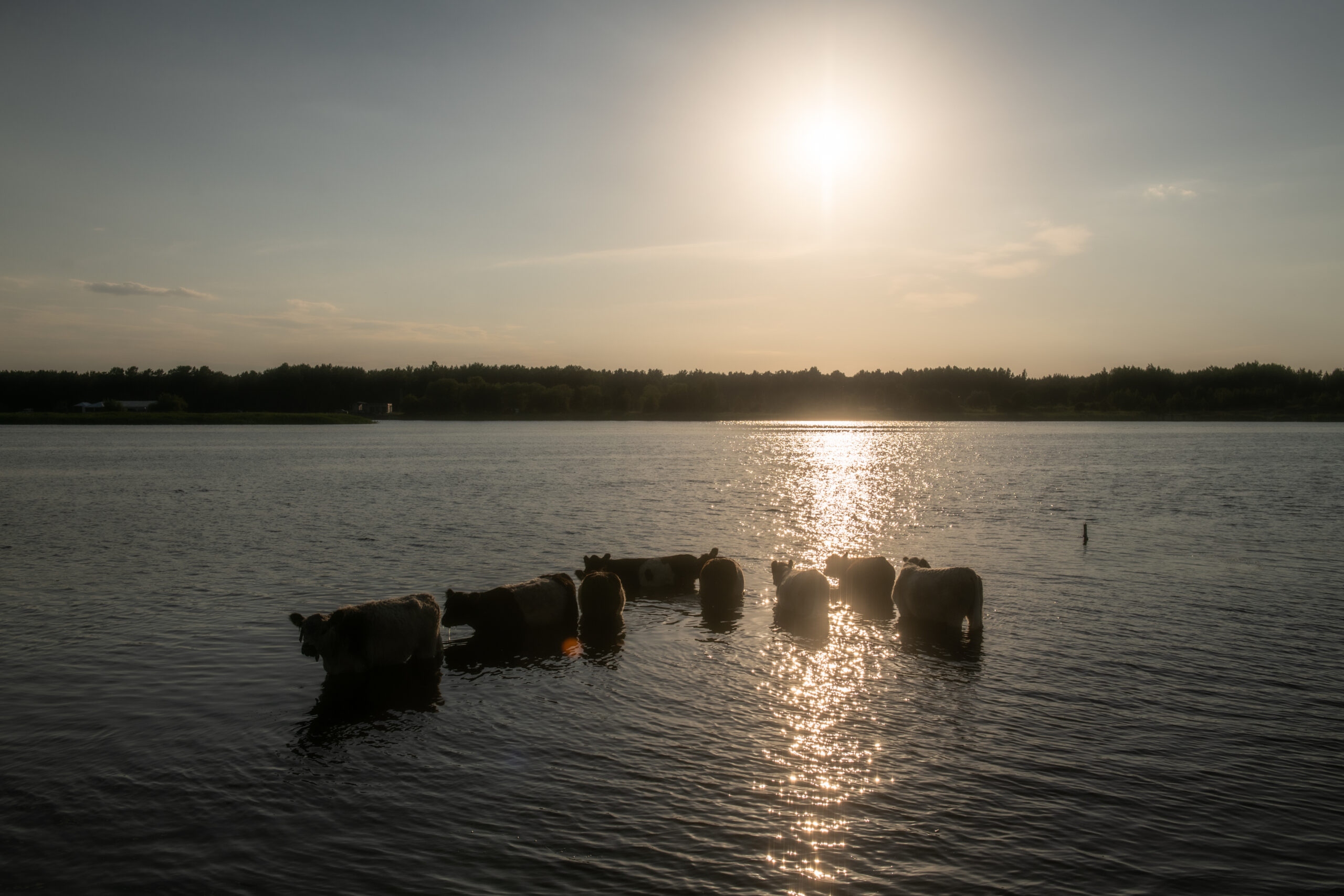
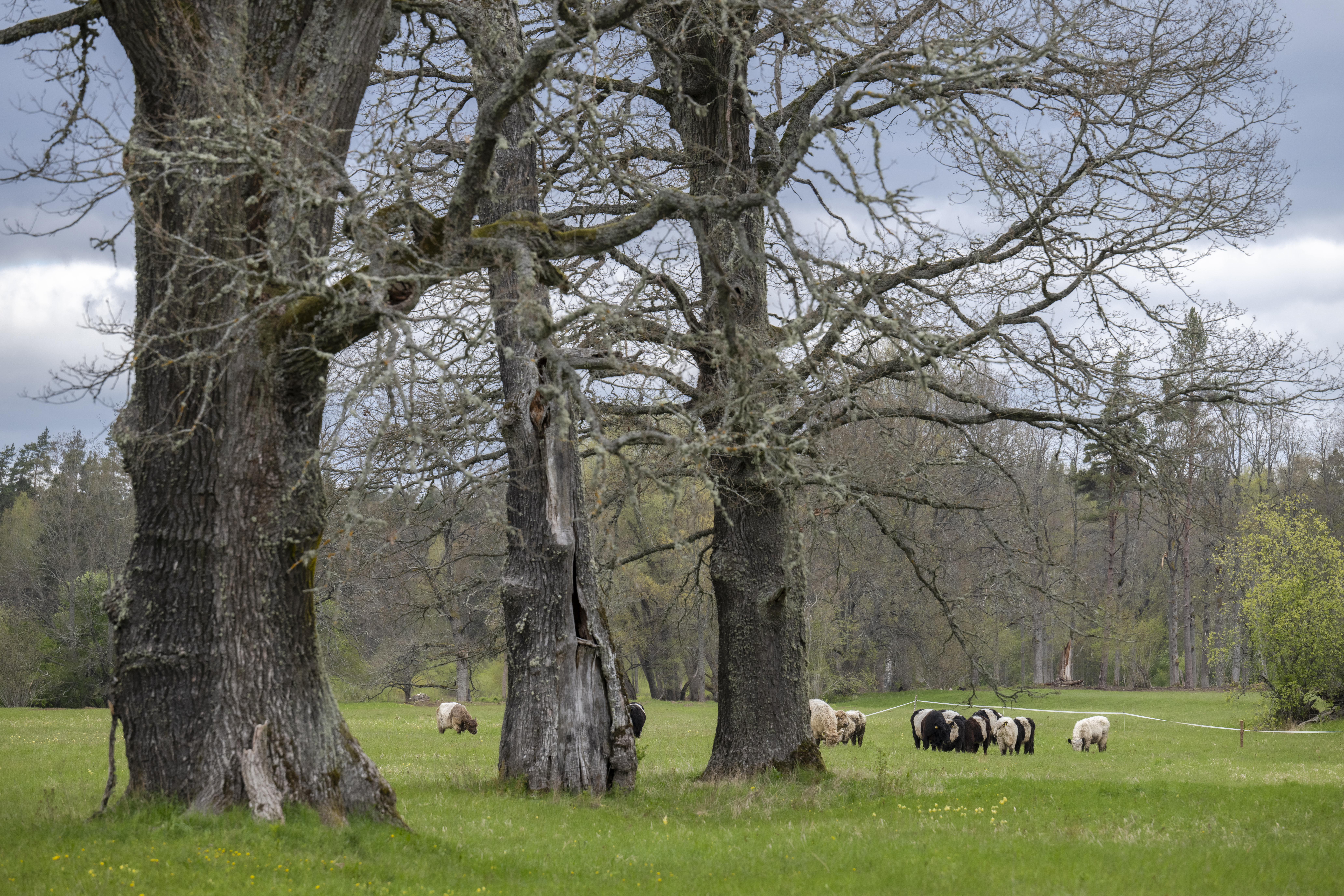
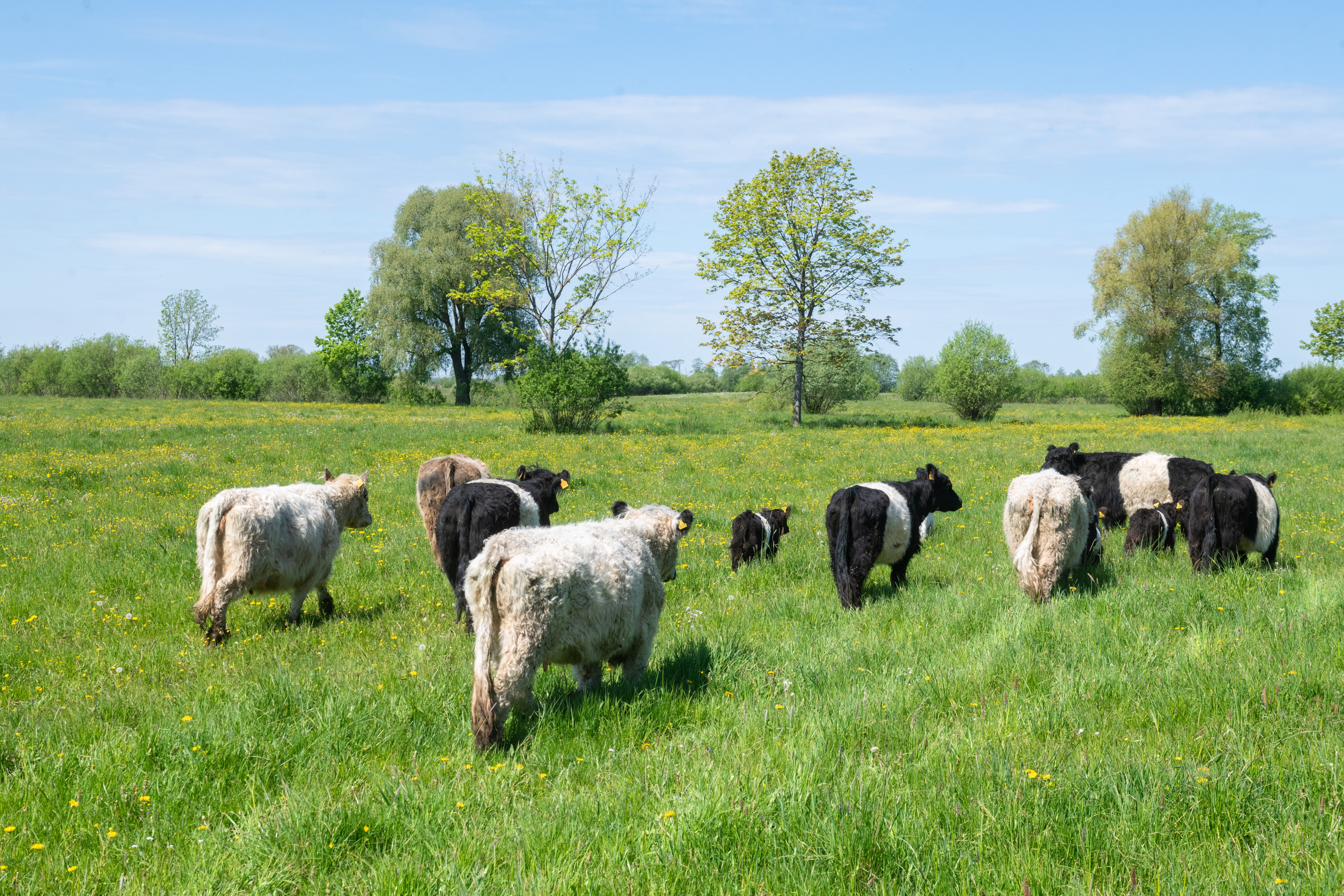
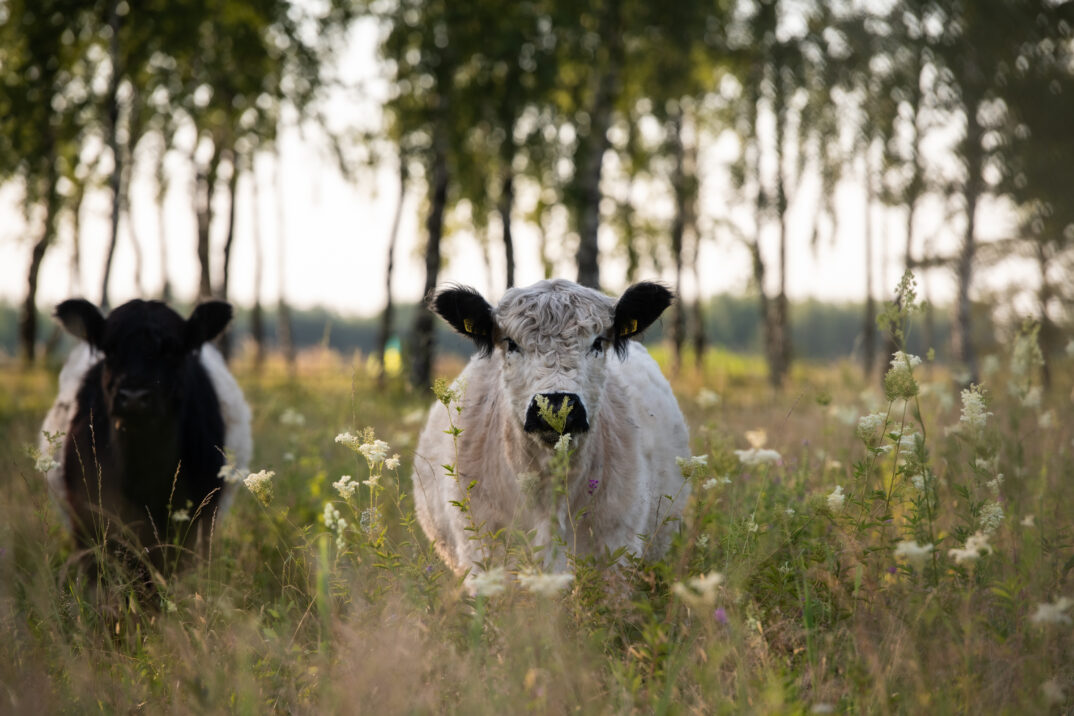
It is a herd of Galloway cattle that is transported during the grazing season to grasslands requiring restoration and management. The herd consists of more than 100 cattle, divided into several groups that spend the summer grazing in different grasslands across Latvia – including Randu Meadows, Vakarbuļļi Meadows, the grasslands of Sigulda town and other sites. Each spring, as vegetation begins to grow, the mobile herd is transported by a special livestock trailer to sites selected by LDF experts, where it continues the work of maintaining and restoring Latvia’s natural grasslands. Grazing by the mobile herd is one of the most effective ways to help natural grasslands recover their plant species diversity.
How are grazing sites selected?
The mobile herd is deployed to grasslands located within Natura 2000 sites that qualify as protected grassland habitats requiring grazing management. These are typically areas that are difficult to access with mowing machinery, and cannot be managed by the landowners themselves. The herd grazes on private, state and municipal lands.
Where does the herd spend the winter?
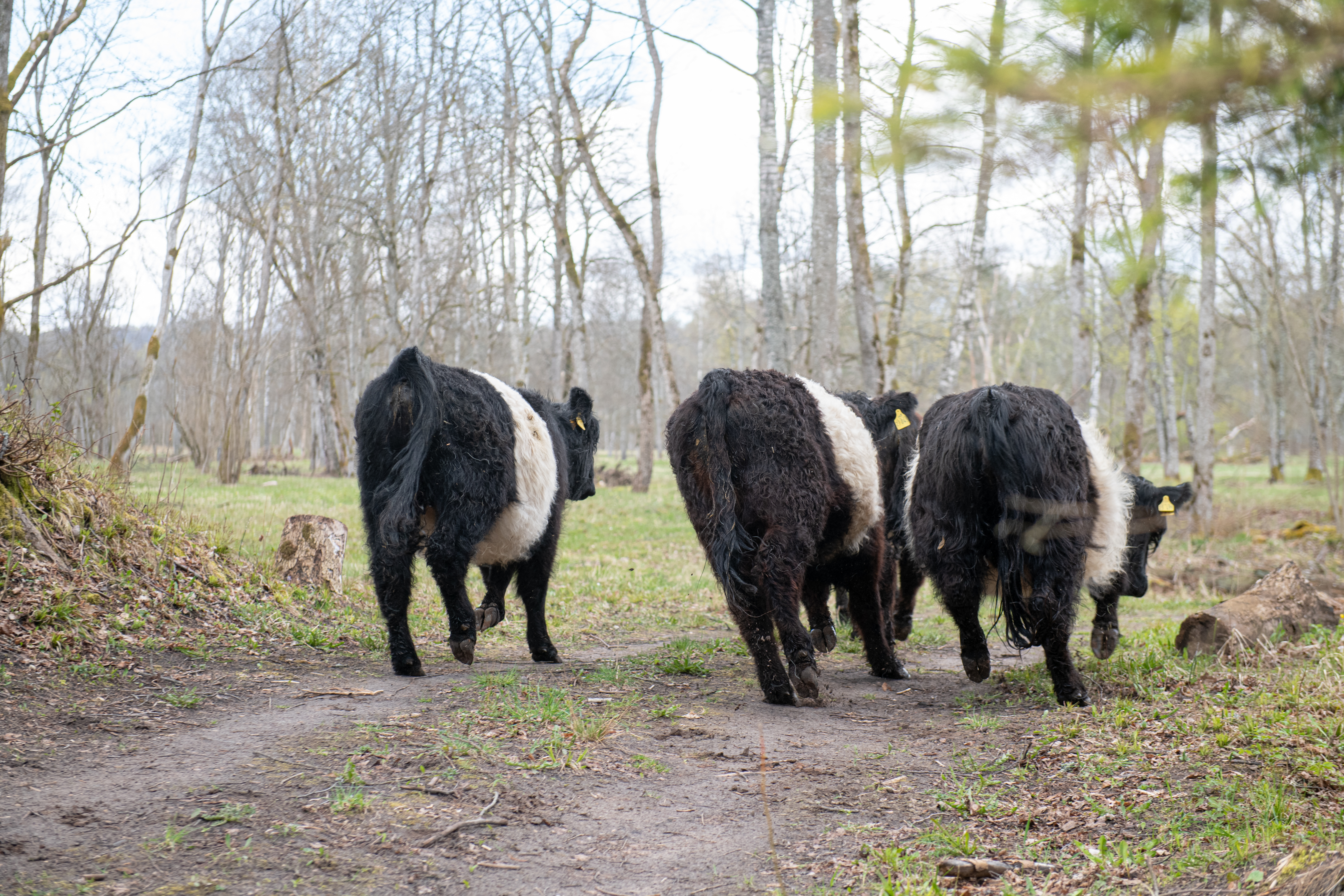
The winter base of the herd is located in Līgatne. Even during the cold season, the cattle remain outdoors, as their long, thick coats provide protection in all weather conditions.
Is it possible to apply for the mobile grazing service?
If your grassland is located within a Natura 2000 site and qualifies as a protected grassland habitat, you are invited to send information about the site to ldf@ldf.lv, indicating the cadastral number and the area in hectares.
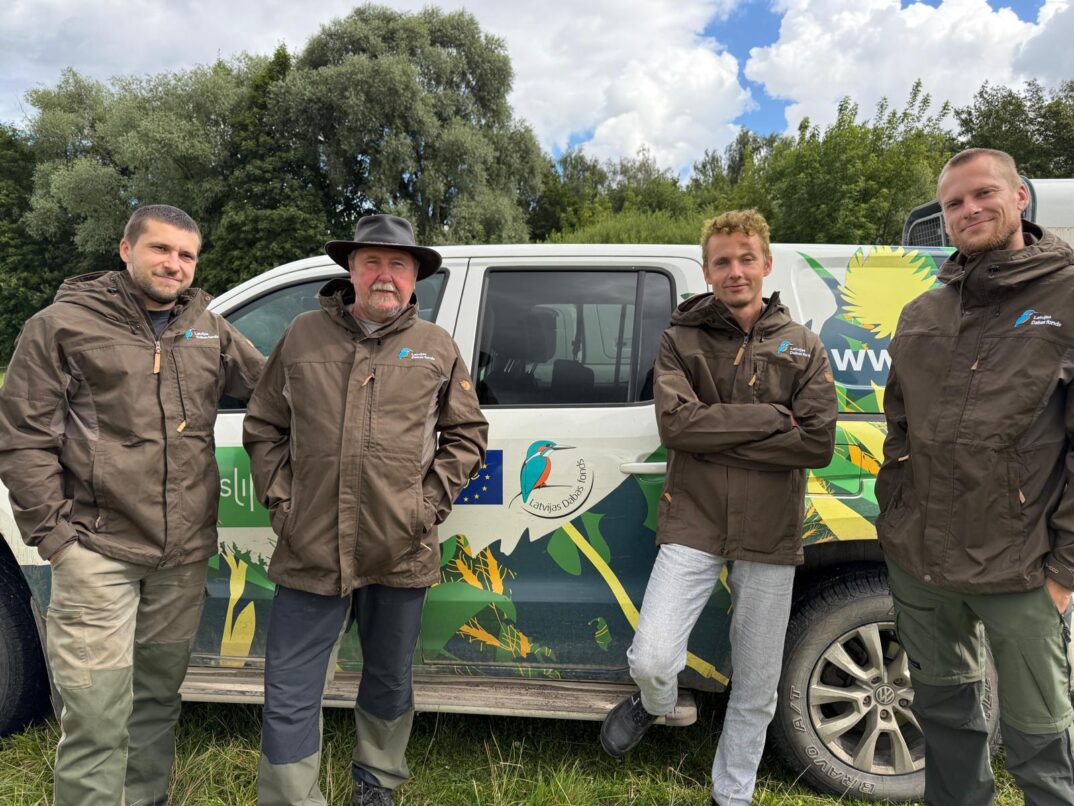
Mobile Grazing Coordinators (from left to right): Emīls Ļevšins, Jānis Andrušaitis, Jānis Robiņš, Jānis Zvaigzne.