Why should we restore natural grasslands?
Today, natural grasslands in Latvia are already considered to be a disappearing natural value. Along with the unique biodiversity of plants and other living organisms that they contain.
The grassland manifesto
Natural grasslands are a shared value for all of us – they hold our culture, history and identity, they embody centuries of cooperation between people and nature, they contain biodiversity and future possibilities. What we do today will determine whether natural grasslands will remain part of the landscape our children see – and a value present in their lives.
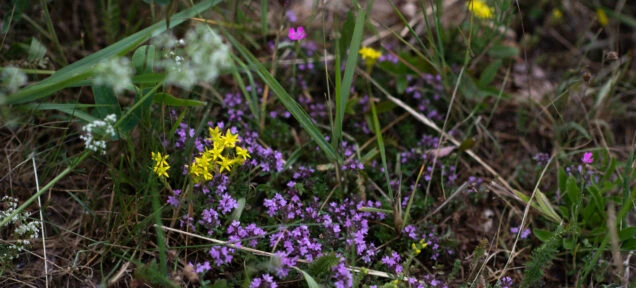
In terms of species diversity, grasslands are the richest ecosystems in our region.
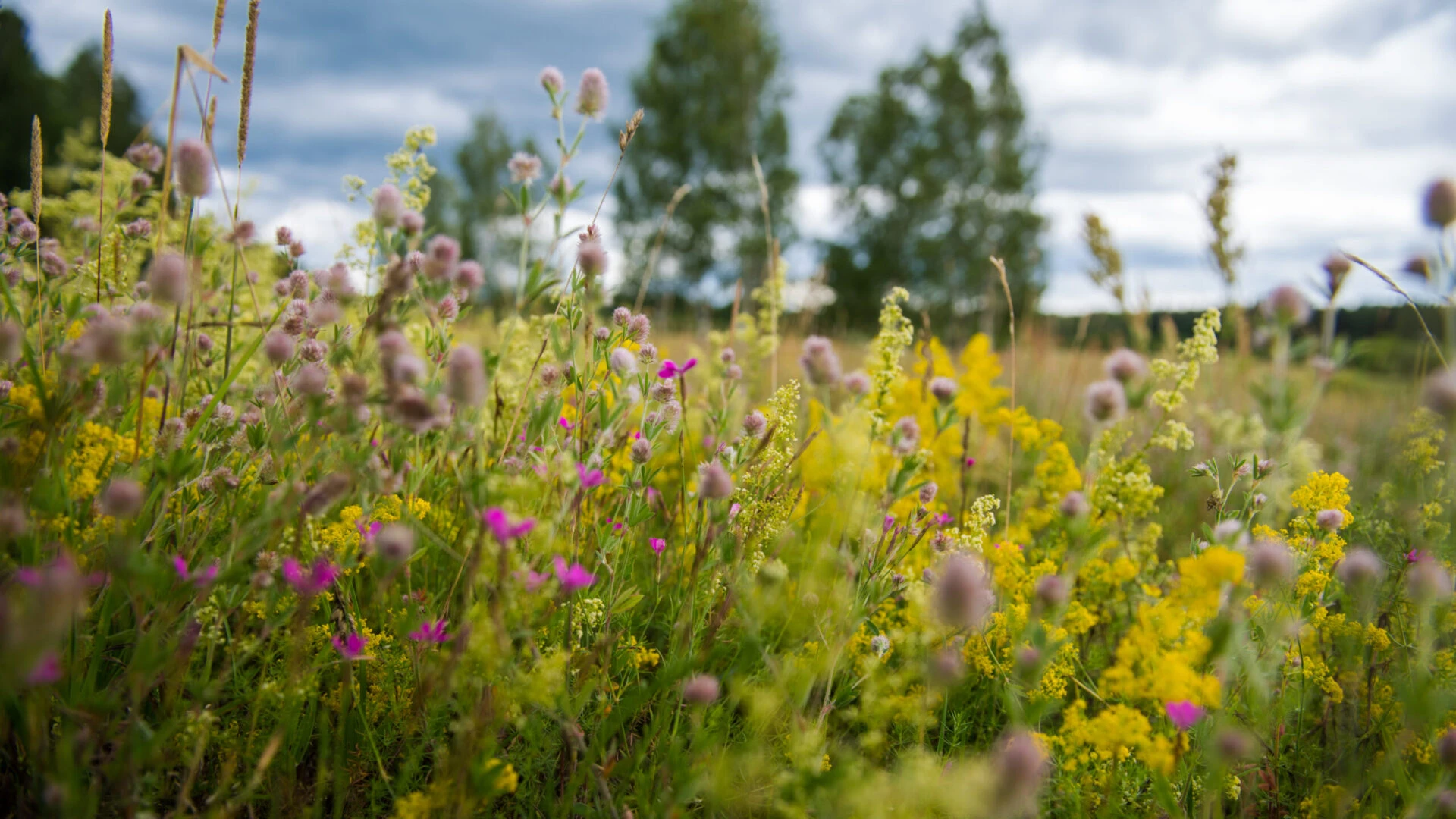
In just one square meter of a natural grassland, there can be up to 50 plant species. That is more than in a square meter of tropical forest. Grasslands are the most species-rich ecosystems in our region.
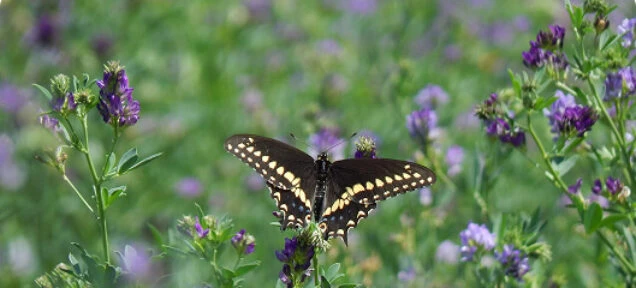
They provide habitat for countless insects, grassland birds and small mammals.
The community of soil organisms in natural grasslands is so diverse that researchers have not yet fully comprehended it.
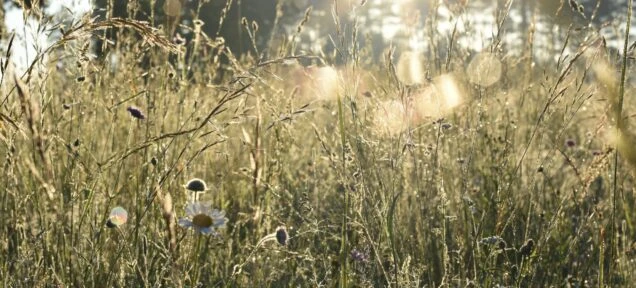
Beauty and diversity are not the only values of grasslands.
A grassland is a complex ecosystem that supports pollinators, stores carbon, maintains soil health and regulates water. These are called ecosystem services, but they can also be described as the web of life that sustains our own existence.
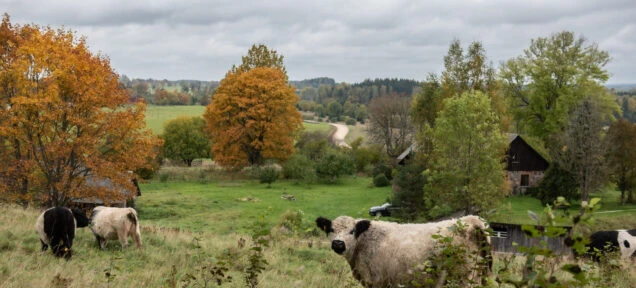
Natural grasslands cannot exist without people.
They do not need maintenance like a garden or park – they require genuine stewardship: grazing, mowing and the attentive eye of a farmer. When properly managed, grasslands flourish and continue to share their benefits with us all.
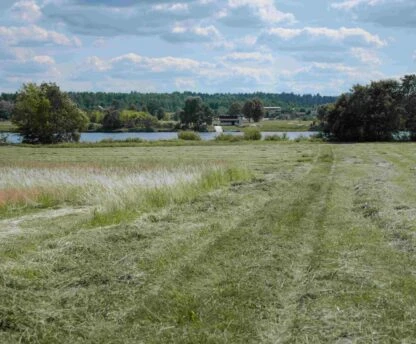
What is a grassland?
In everyday language, we tend to call almost any field that has not been ploughed – where grass grows, flowers bloom, perhaps cows graze – a grassland. We go to the grassland to gather herbs for midsummer celebrations, collect plants for winter tea, and to feel the touch of summer, sun, bentgrasses and the hum of insects. However, only a very small proportion of all grasslands can truly be called natural grasslands. So, what exactly is a natural grassland? It is a grassland with high plant species diversity that has developed over many years through the interaction of nature and people. It is not ploughed, not reseeded with cultivated species and not fertilised. At the same time, it is regularly mown or grazed. Therefore, the most accurate term would be semi-natural grassland or pasture.
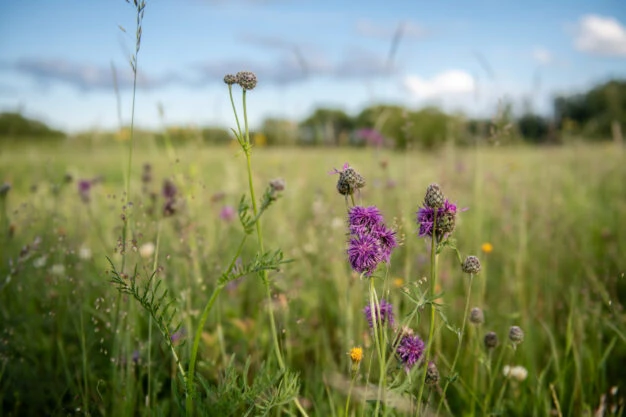
Nature farmers
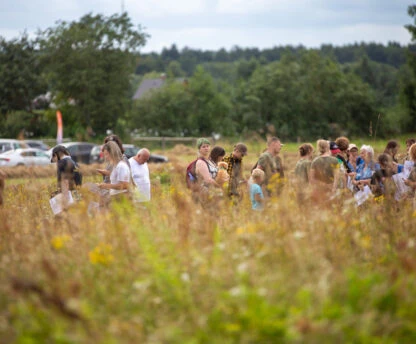
Grasslands cannot survive without people who manage them – who mow or graze them. Only through cooperation between humans and nature can the unique biodiversity of natural grasslands develop and be maintained. That is why we build and strengthen a community of nature farmers – supporting landowners and farmers who integrate natural grasslands into their farming systems.
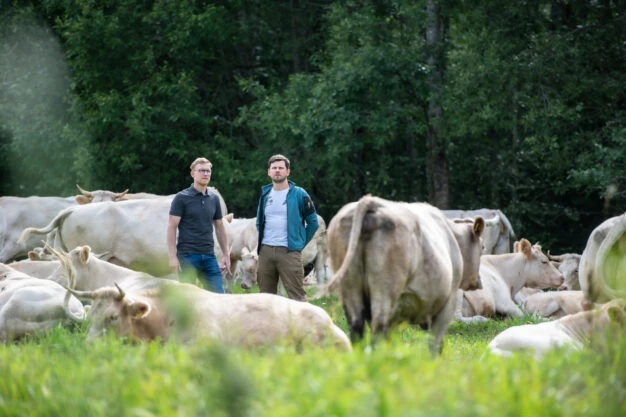
Semi-natural grassland restoration methods
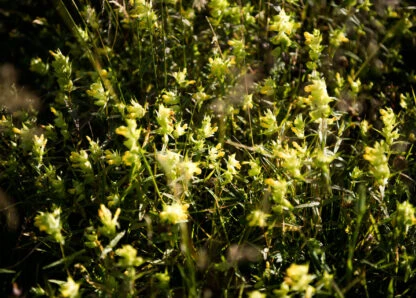
Sowing rattle
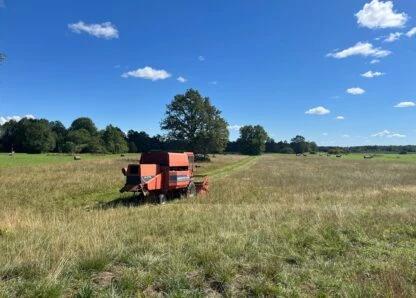
Collection of natural grassland seeds
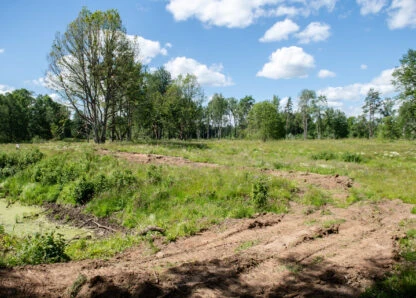
Levelling the soil surface
Project funders