Scientific contribution to the restoration of Latvian nature
This autumn, the Latvian Fund for Nature (LDF), within the framework of the GrassLIFE2 project, launched a historic restoration of Latvian grasslands. The first scientifically cultivated seeds of Latvian semi-natural grasslands, provided by the Institute for Environmental Solutions (IES), have reached the hands of LDF’s nature-friendly farmers. This marks a major step forward in restoring priority grasslands of European significance using cultivated, locally adapted wild plant seeds.
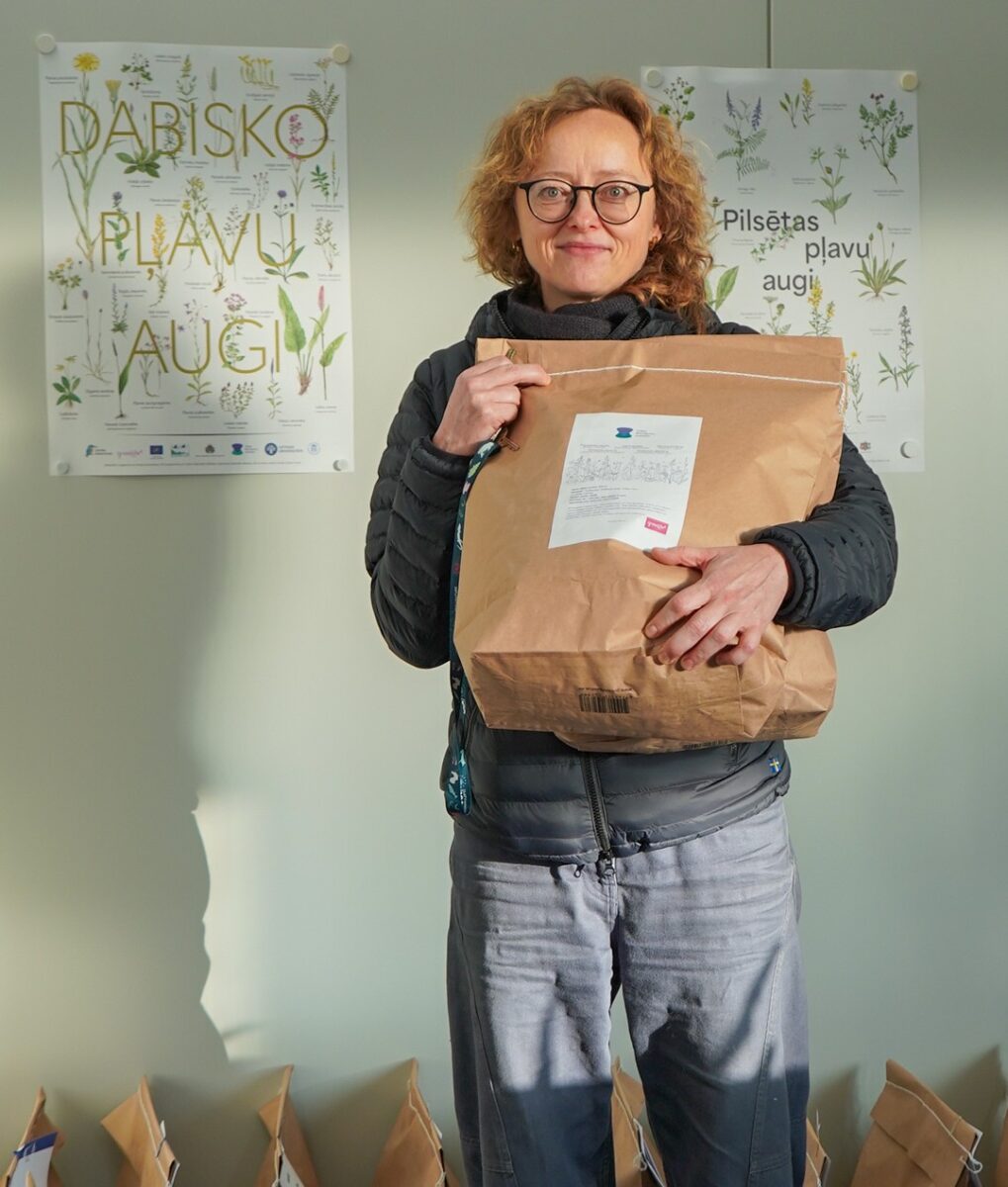
GrassLIFE2 project coordinator Baiba Strazdiņa receives the first semi-natural grassland plant seeds grown by IES. Photo: IES.
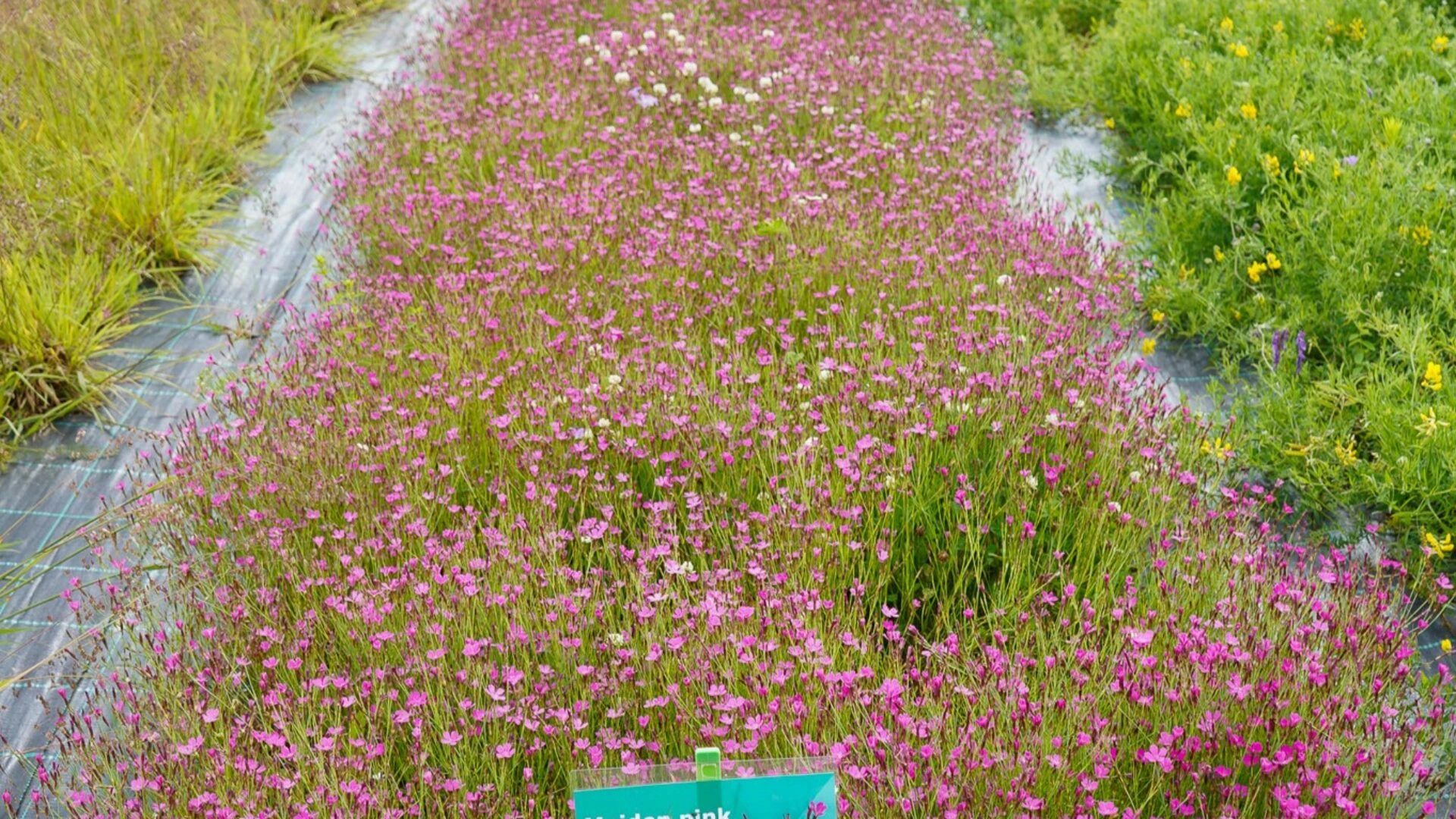
The first batch of delivered seeds includes plants such as maiden pink, dropwort, clustered bellflower, cowslip, small burnet, lady’s bedstraw, autumn hawkbit, quaking grass, hoary plantain, and many others. This project is the first example of such a scale in Latvia.
Production of wild plant seeds
Implementing a project that bridges scientific expertise with practical experience requires a combined team of grassland experts, biologists, botanists, agronomists, and field specialists.
At the start of wild plant seed production, the primary tasks were selecting target species, identifying their wild populations, harvesting seeds from natural habitats across Latvia, and developing cultivation methods. A plant’s genotype plays a massive role here, which is why geographical location is critical in grassland restoration. To ensure successful establishment and development, seed material must be sourced from a geographically close region. This preserves plant quality, regional characteristics, and chemical profiles. Importing such seeds is highly discouraged, as it can pose genetic risks to local wild populations. The propagated plant species were chosen to match the specific needs of dry-to-mesic and wet-to-mesic restoration areas.
Artūrs Miltiņš, Lead Agronomist at IES, shares his insights on a highly unpredictable and challenging season: “The past season was particularly challenging for all farmers. Growing and harvesting perennial grassland species is a significantly more delicate process—missing the window by just a single day can mean the mature seeds have already fallen to the ground. Weed presence is inevitable until the seeds reach full maturity, making weed control a top priority. Within the project, we cultivate 25 perennial grassland species, each with its own specific growth and ripening traits. Throughout the summer, we actively monitored the growth phases of each species. This season stood out for its rapid and unpredictable shifts — some species matured early due to a wet summer, while other grassland seeds could only be harvested in early October.”
One of the major achievements this season in the IES experimental seed gardens was the cultivation of rattle.
As Artūrs Miltiņš notes: “The cultivation of rattle Rhinanthus spp. deserves special mention. This species had previously presented the greatest challenges, but this year we achieved our first positive results. This allows us to plan more precise and efficient seed propagation work for the next season. Despite the difficult conditions, the project thrives on cohesive teamwork. The work accomplished this season is a testament to meticulous care and perseverance, proving our ability to adapt and sustain the cultivation of perennial grassland species in Latvia.”
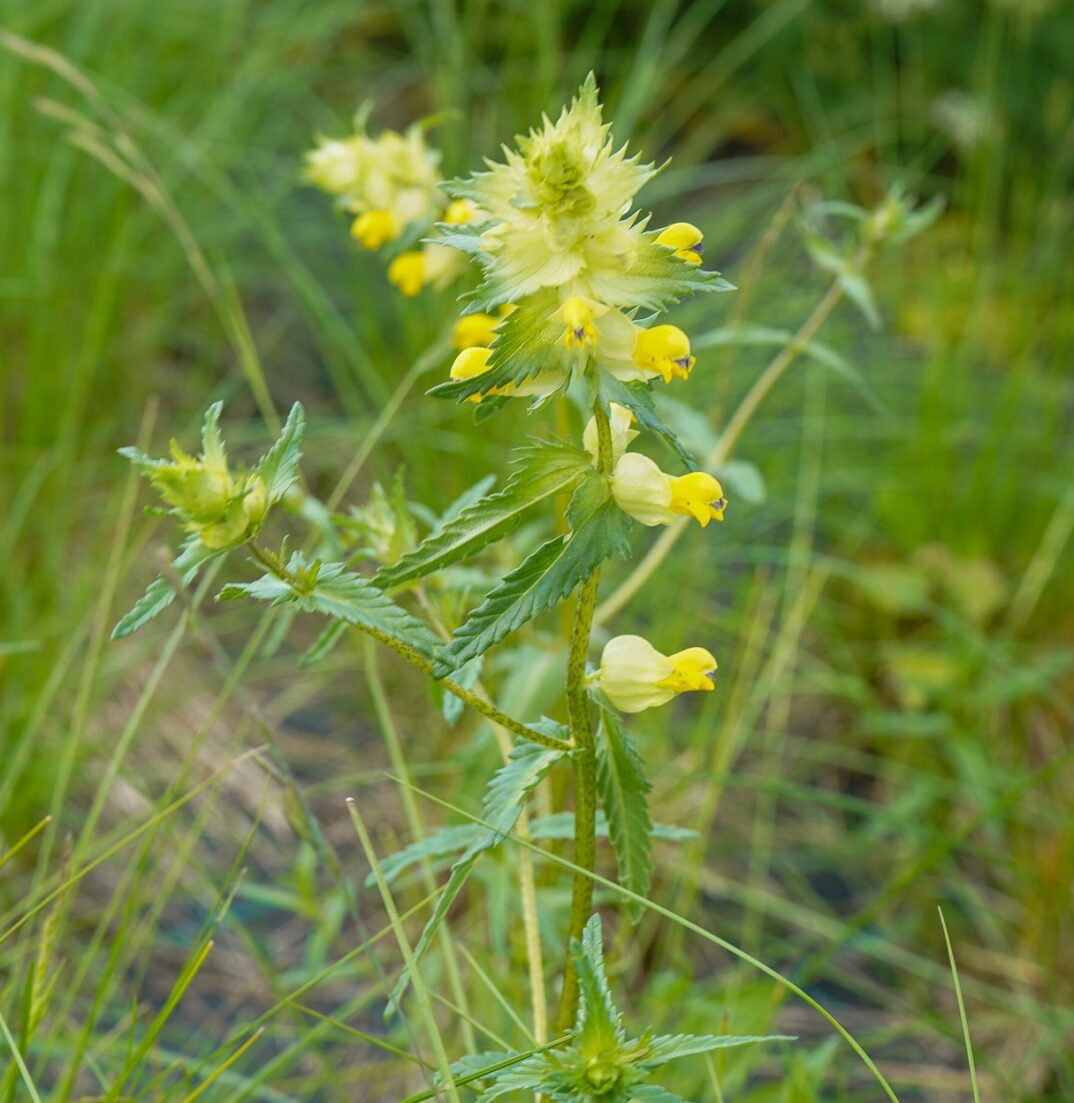
Rattle, Rhinanthus spp. Photo: IES.
The synergy between science and farmers
Through this teamwork, scientific expertise is transformed into restored semi-natural grasslands—cultivated, sown, and managed by dedicated farmers who care deeply about ethnobotanical heritage. While scientists handle the research and plant selection, the farmers are the strategic project partners who bring these new solutions to life in the Latvian landscape. These farmers share a profound awareness and motivation to preserve natural resources for the long term. This community is characterized by a broad vision, readiness for cooperation, and openness to innovation, setting a benchmark for best practices within Natura 2000 territories.
How seeds become a lifeline for Latvian nature
Over the past century, the coverage of semi-natural grasslands in Latvia has shrunk drastically—from 30% at the end of the 19th century to a mere 0,9% of the territory today. This trend poses a severe threat to biodiversity.
The disappearance of natural grasslands creates a crisis with costly consequences for society as a whole by:
- threatening ecosystem stability and food security;
- increasing the risk of new disease outbreaks;
- impacting climate regulation and economic capital;
- erasing a vital part of cultural and spiritual heritage.
Plant diversity and their medicinal properties form an integral part of Latvia’s ethnic identity and traditions.
Cultivating the wild
In the long run, this marks the beginning of a significant new pathway for Latvia. Never before has such a diverse range of wild plant species been cultivated on this scale. The knowledge and experience gained will eventually become accessible to every resident of Latvia. The biologically valuable grassland seed mixes developed by IES — designed to restore vanishing habitats — will be made available to the wider public as soon as the scientific research phase concludes.
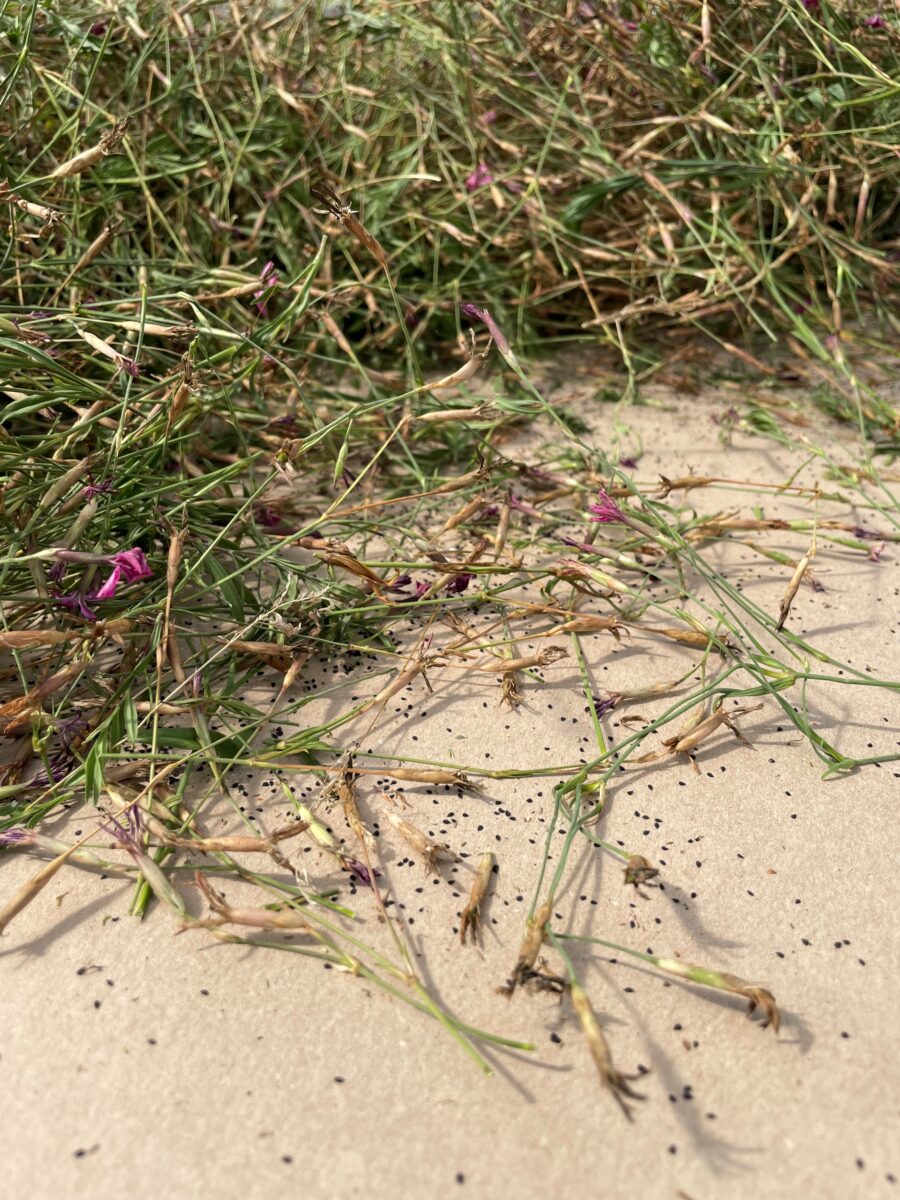
Maiden pink stalks with seeds. Photo: IES.
A grassland is more than just a landscape
We often take semi-natural grasslands for granted as a standard part of the scenery, yet their value goes far deeper than visual beauty. A grassland ecosystem is much more than a buzzing home for plants, insects, birds, and animals; it supplies medicinal herbs, culinary plants, and high-quality livestock forage. Spending time in a meadow also boosts spiritual and emotional well-being, offering inspiration and solace while quietly maintaining climate balance through water and air filtration.