GrassLIFE2 areas
The GrassLIFE2 project is implemented in eleven Natura2000 sites in Latvia. According to the grassland connectivity model, these are the most important areas for grassland restoration. They are also identified in Latvia’s Prioritised Action Framework* as key areas for grassland conservation.
Sventāja River Valley Nature Reserve
The Sventāja River Valley is one of the most biodiversity-rich areas in Western Kurzeme. The site hosts 21 habitat types of European Union importance, providing habitat for numerous plant and animal species, including 33 species of national or EU importance. Despite its relatively small size, the area plays a crucial role as a species dispersal corridor in southern Kurzeme and is important for maintaining landscape connectivity in the region.
GrassLIFE2 will restore 23 hectares of grassland habitats here.
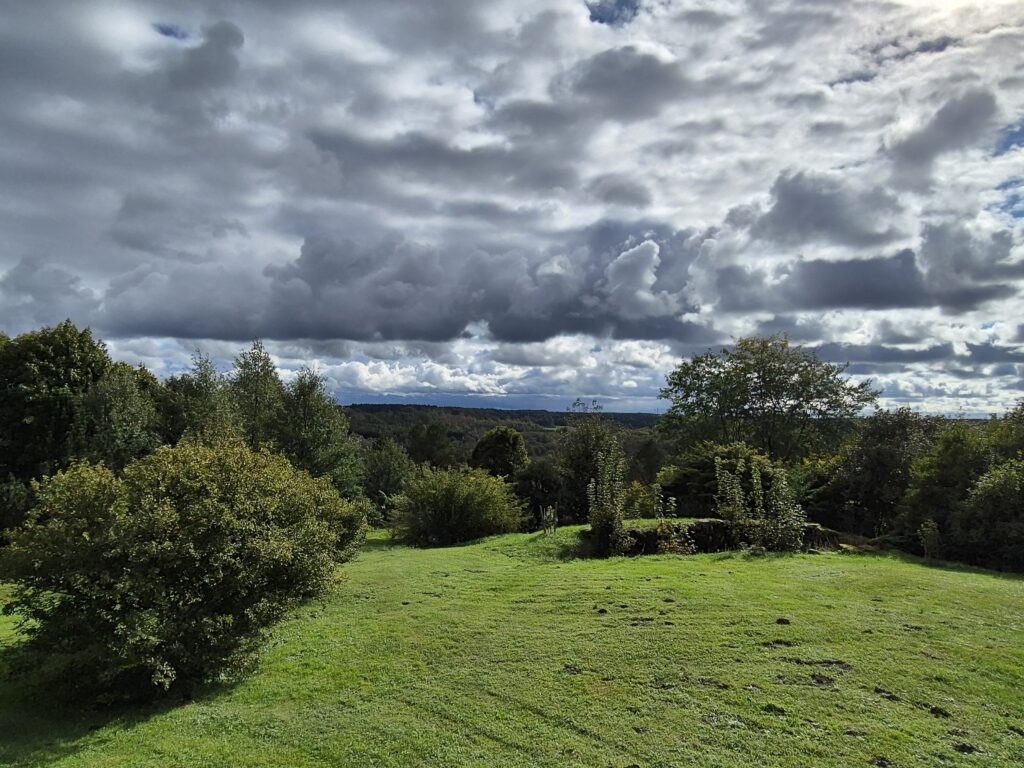
The Sventāja River Valley. Photo: LFN archive.
Kujas Nature Park
Kujas Nature Park, named after the river that runs through it, covers more than 10,000 hectares in Madona Municipality. The landscape is characterised by a mosaic of floodplain meadows, forest patches and diverse grasslands. The site includes 13 habitat types of EU importance and is home to 10 protected vertebrate species, 20 protected invertebrate species, 10 protected plant species and 30 protected bird species. It is one of the most important areas for grassland conservation in Latvia. For example, for the conservation of habitat type Species-rich pastures and grazed grasslands (6270*), this site is of decisive importance – if the habitat is maintained here, it has prospects at the national scale.
GrassLIFE2 will restore 491 hectares of grassland habitats here.
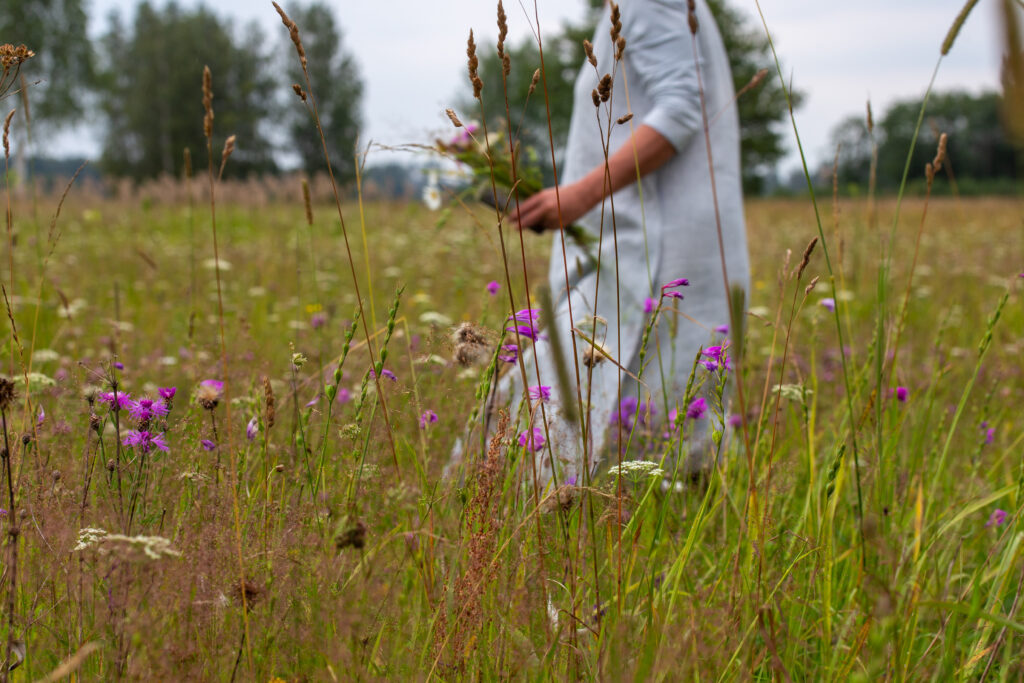
Restored grassland in Kujas Nature Park. Photo: E. Fimbauere, LFN archive.
Lake Liepāja Nature Reserve
Lake Liepāja is one of the largest and most significant lagoon-type lakes in Latvia. The site includes 12 EU habitat types and 76 plant and animal species listed in the Birds and Habitats Directives. Additionally, it provides protection for more than 100 breeding, migratory and wintering bird species and is included in the list of Important Bird and Biodiversity Areas.
GrassLIFE2 will restore 58 hectares of grassland habitats here.
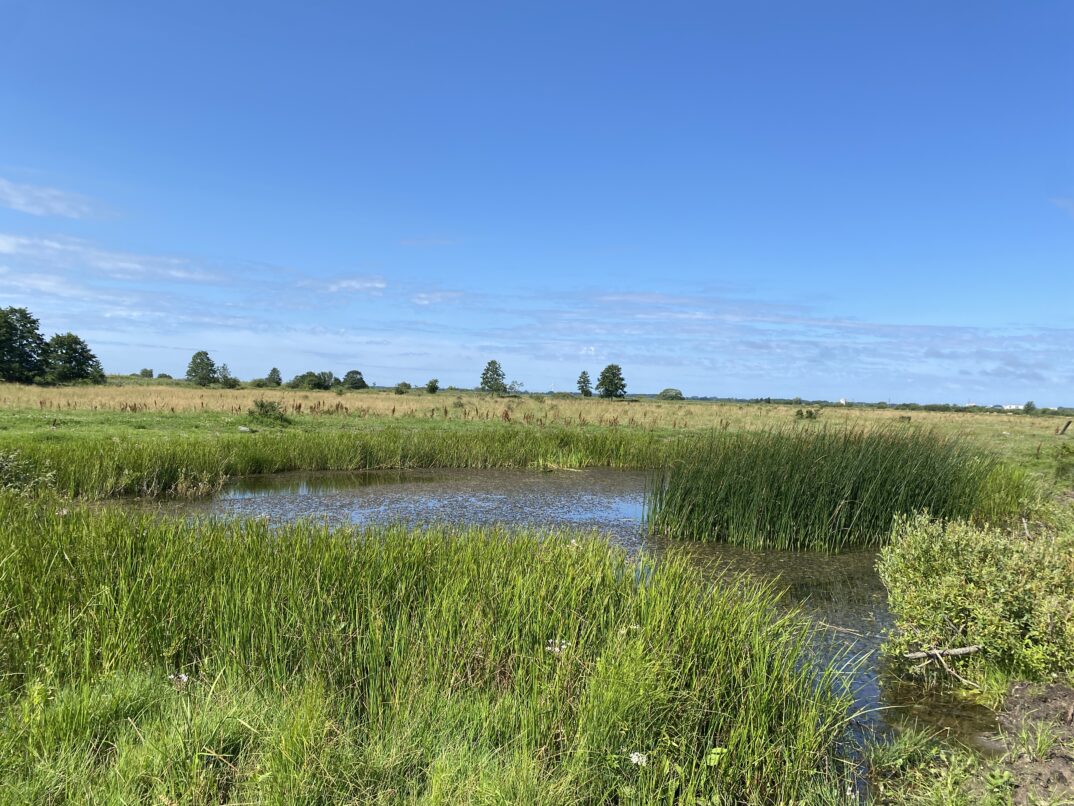
Grasslands near Lake Liepāja. Photo: LFN archive.
Ogre River Valley Nature Park
The core of this nature park is a scenic, unregulated stretch of the Ogre River and its valley, along with adjacent habitats. The site includes 18 habitat types of EU importance, 15 protected plant species, 15 mammal species and 11 amphibian and reptile species. The Ogre Valley is also a Special Protection Area for birds, hosting 17 species listed in Annex I of the Birds Directive.
GrassLIFE2 will restore 78 hectares of grassland habitats here.
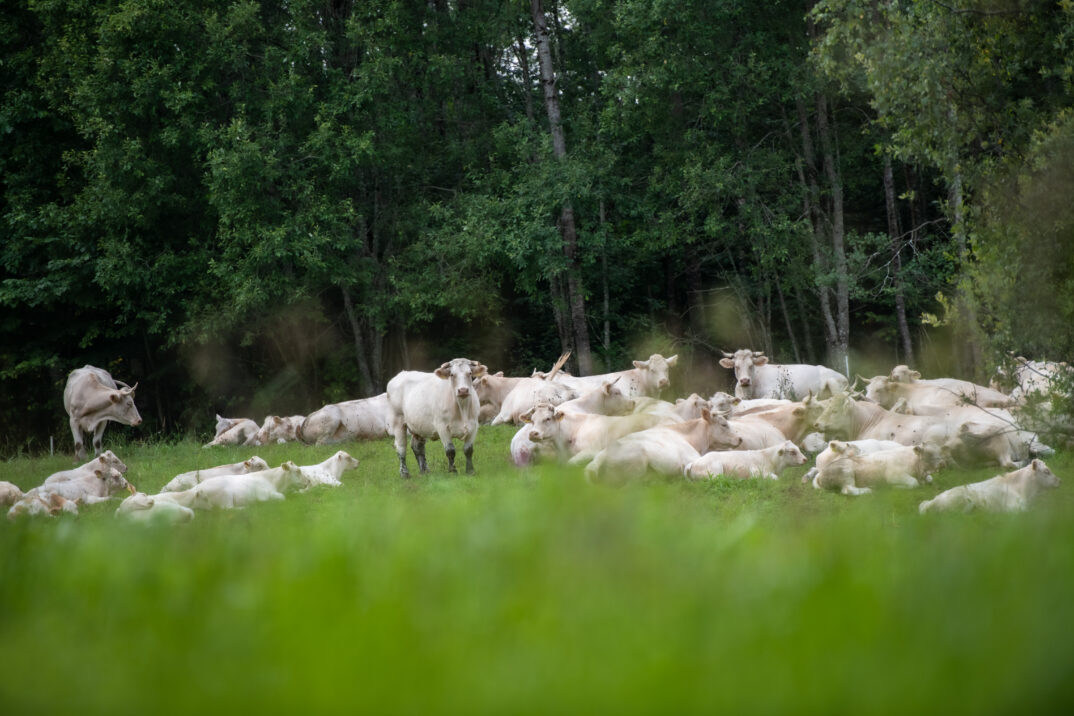
Pasture in the Ogre Valley. Photo: K. Kalns, LFN Archive.
Vestiena Protected Landscape Area
The most distinctive feature of this area is the landscape of the Vidzeme Upland – a visually expressive relief and a mosaic of natural diversity. It contains 22 habitat types of EU importance, as well as 36 plant and animal species of European importance and 101 of national importance.
GrassLIFE2 will restore 305 hectares of grassland habitats here.
Ziemeļgauja Protected Landscape Area
The environment of Ziemeļgauja is shaped by the unaltered and highly meandering Gauja River, its network of oxbow lakes, species-rich grasslands, and broadleaved forests. The area hosts 28 habitat types of EU importance and 70 plant and animal species of European importance, as well as 69 species of national importance.
GrassLIFE2 will restore 898 hectares of grassland habitats here.
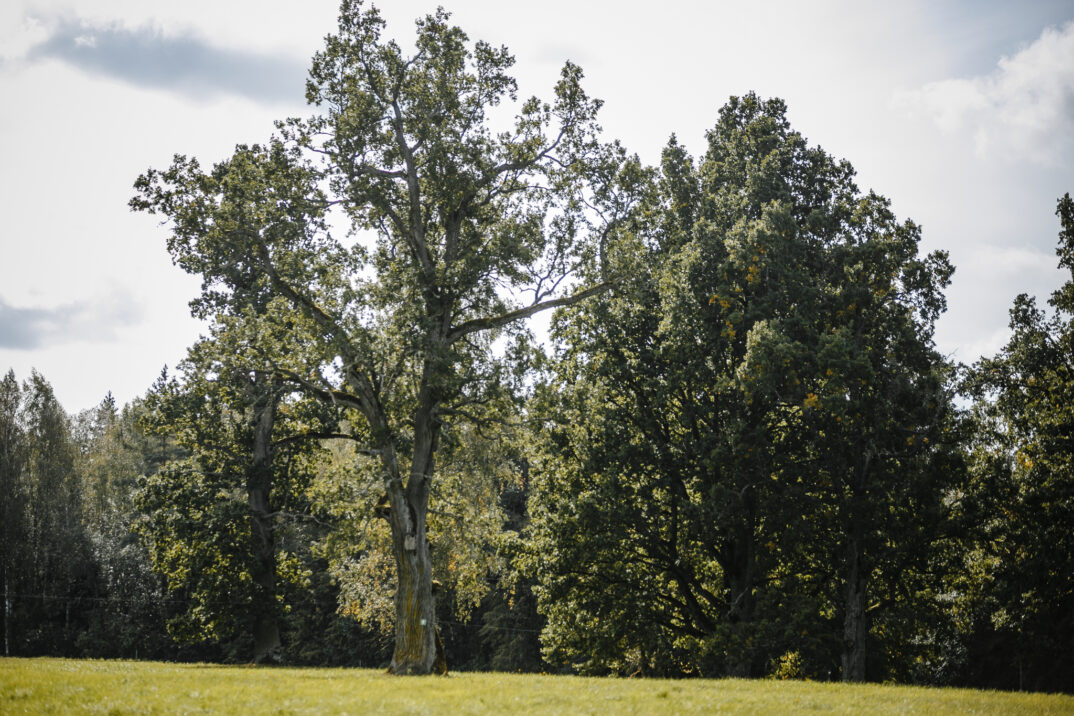
Wood-meadow in Ziemelgauja Marsi. Photo: K. Teilāns.
Sita and Pededze Floodplain Nature Reserve
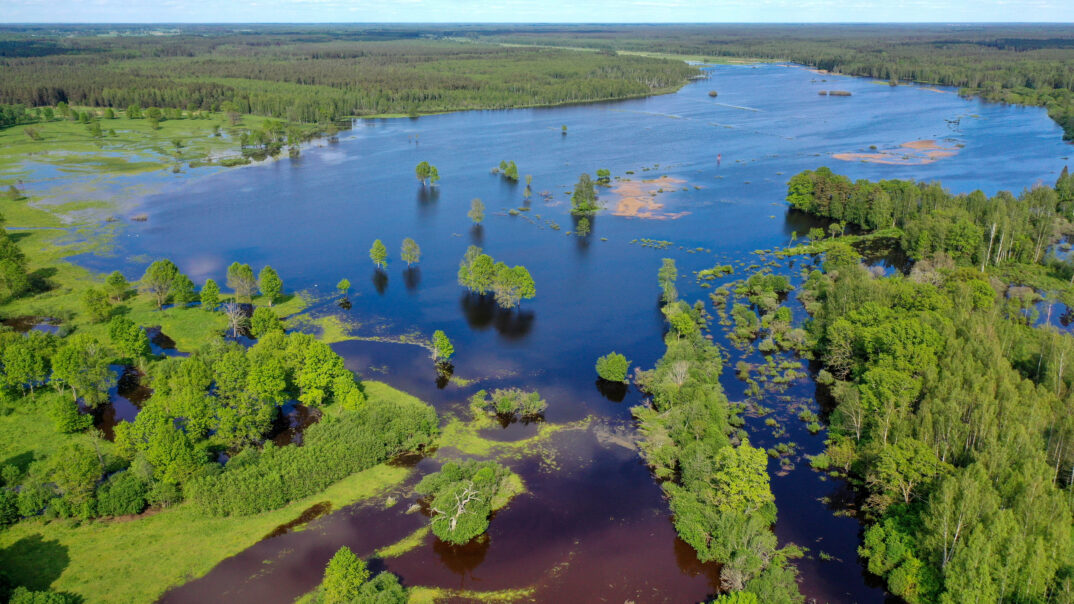
The Sita and Pededze floodplain includes a highly meandering stretch of the Pededze River, the confluence of the Sita and Pededze rivers, as well as extensive floodplain meadows with groups of oak trees and oxbow lakes. The area contains 12 habitat types of European Union importance, six of which are priority habitats. It is also home to 8 invertebrate species, five of which are listed in the Habitats Directive, and 10 protected plant species. The area is also designated as a Special Protection Area, supporting 28 protected bird species, all listed in the Birds Directive.
GrassLIFE2 will restore 54 hectares of grassland habitats here.
Gauja National Park
Gauja National Park encompasses the ancient valley formed by the Gauja River, with numerous side valleys and tributaries, relatively undisturbed forest massifs, outcrops, mires, springs and cultural landscapes. Due to historically extensive land management shaped by complex environmental conditions, the park has retained high biodiversity. It includes 33 habitat types of EU importance and 341 plant and animal species of national or European importance.
GrassLIFE2 will restore 45 hectares of grassland habitats here.
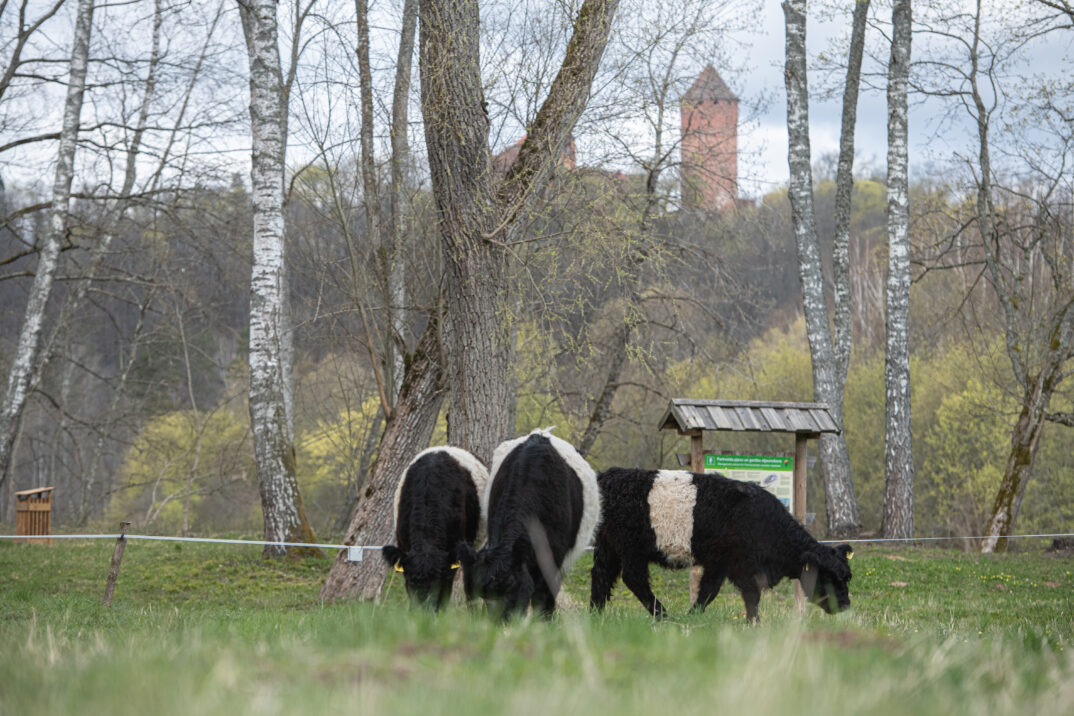
LFN mobile herd in the Gauja National Park in 2020. Photo: K. Kalns.
Veclaicene Protected Landscape Area
The most distinctive feature of this area is the landscape of the Alūksne Upland, where a visually expressive relief combines with a mosaic of natural diversity. Due to extensive management shaped by complex environmental conditions, the area is characterised by high biodiversity. It contains 24 habitat types of EU importance and 49 plant and animal species of European importance, as well as 79 species of national importance.
GrassLIFE2 will restore 337 hectares of grassland habitats here.
Lubāns Wetland Nature Reserve
The Lubāns Wetland is the largest inland wetland in Latvia, comprising Lake Lubāns, the surrounding bogs, the lower reaches of the Pededze River, and fish ponds. The area hosts a high diversity of protected habitats – floodplain meadows, bogs, boreal forests, bog woodland, wood-meadows and pastures – with a total of 21 habitat types of EU importance. Wetlands, forests and grasslands provide habitat for many rare and protected species.
GrassLIFE2 will restore 280 hectares of grassland habitats here.
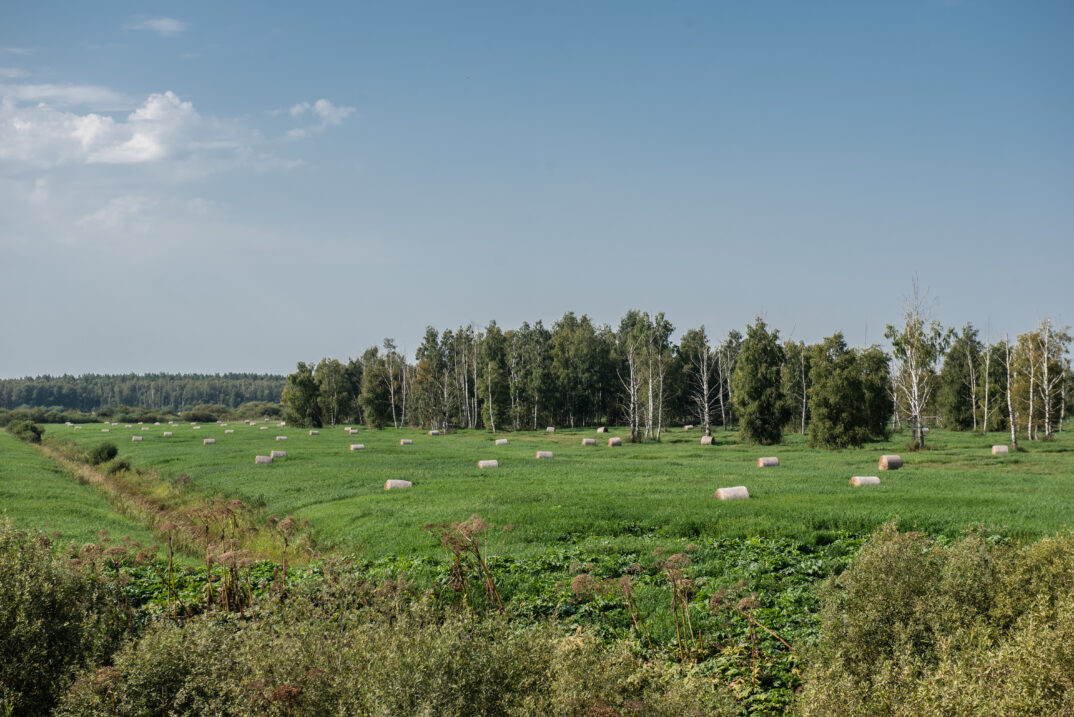
Lubāns Wetland meadows. Photo: K. Kalns.
Abava Ancient Valley Nature Park
This nature park contains one of the most impressive river valleys in western Latvia, renowned for its distinctive relief – steep slopes, dolomite outcrops, sandstone cliffs, caves, springs and waterfalls, as well as river meanders and oxbow lakes.
The scenic landscape includes many biologically valuable grasslands, small fens, old mixed forests on slopes, as well as small towns. Due to these complex environmental conditions, only extensive management has been possible, allowing high biodiversity to be preserved in the area.
The site includes 28 EU habitat types and 275 rare and protected plant and animal species.
GrassLIFE2 will restore 510 hectares of grassland habitats here.
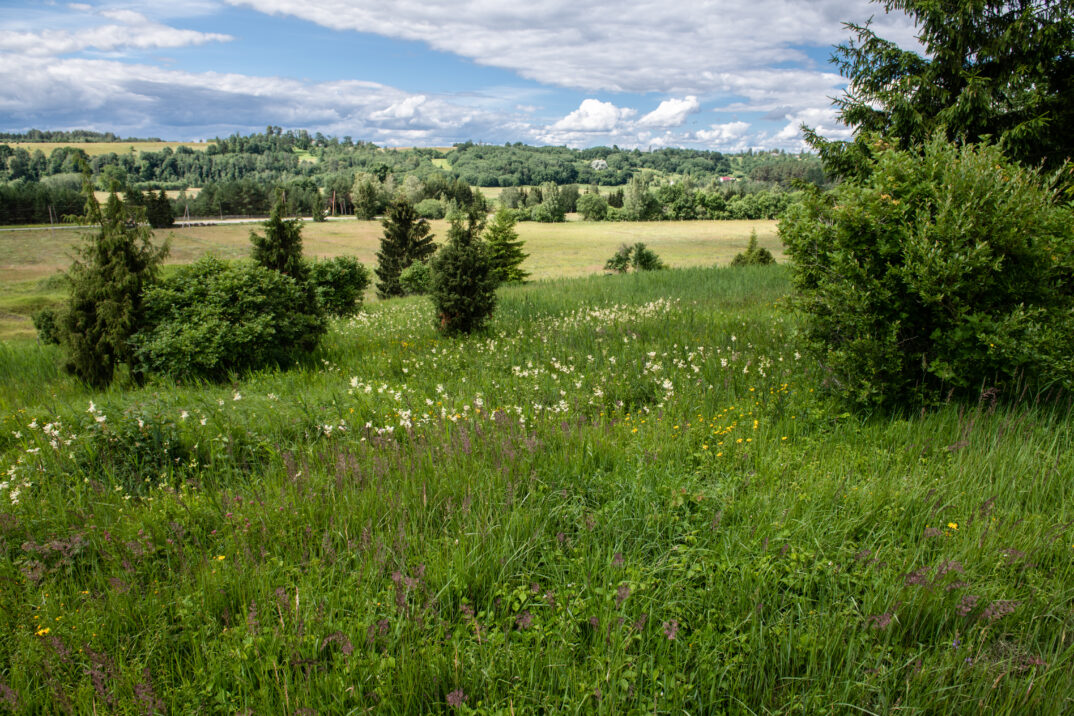
View of the Abava valley at the “Drubazas” farm. Photo: K. Kalns.
*The Prioritised Action Framework is a strategic multiannual planning document providing a comprehensive overview of the measures required to maintain and restore favourable conservation status of EU habitat types and species.